
Table of Contents
When it comes to travel, smart packing is just as important as choosing the right destination. Two of the most important gears that help maximize luggage space and keep belongings organized are Compression Bags vs Packing Cubes. Understanding the differences between these two packing tools will help travelers decide which option best suits their needs.”
What is a compression Bag?
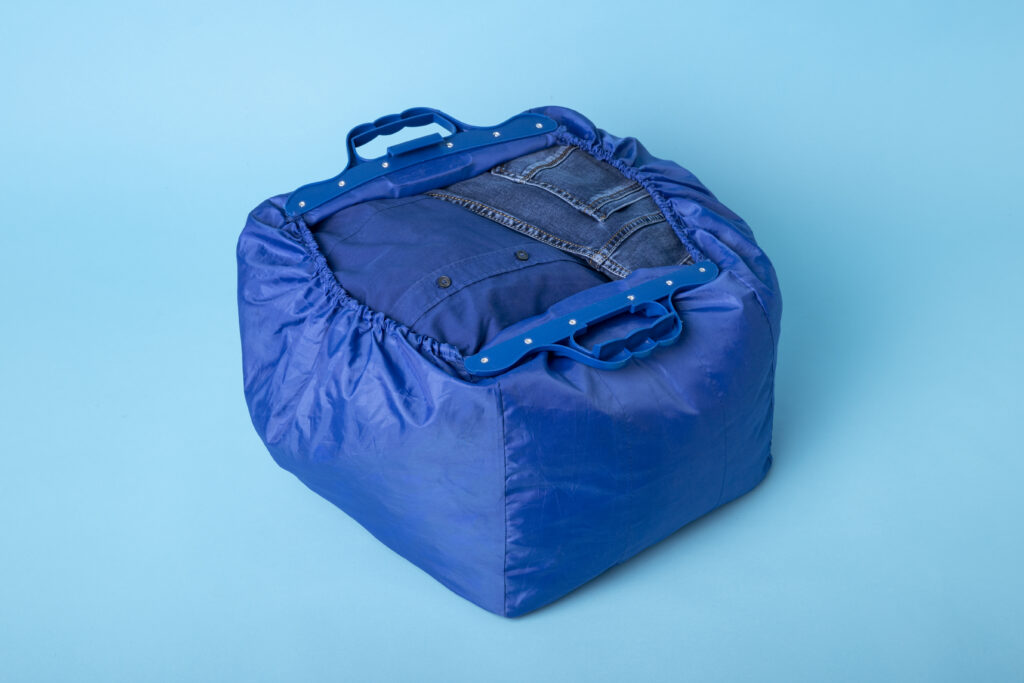
Compression bags are specially designed storage bags that allow travelers to reduce the volume of their clothes, bedding, or other soft items by removing excess air. By squeezing or vacuum-sealing the bag, you can compress bulky items into a fraction of their original size. These bags are made from durable, flexible plastic or nylon materials and often come with airtight seals, zippers, or valve systems for vacuum use.
Types of compression bags
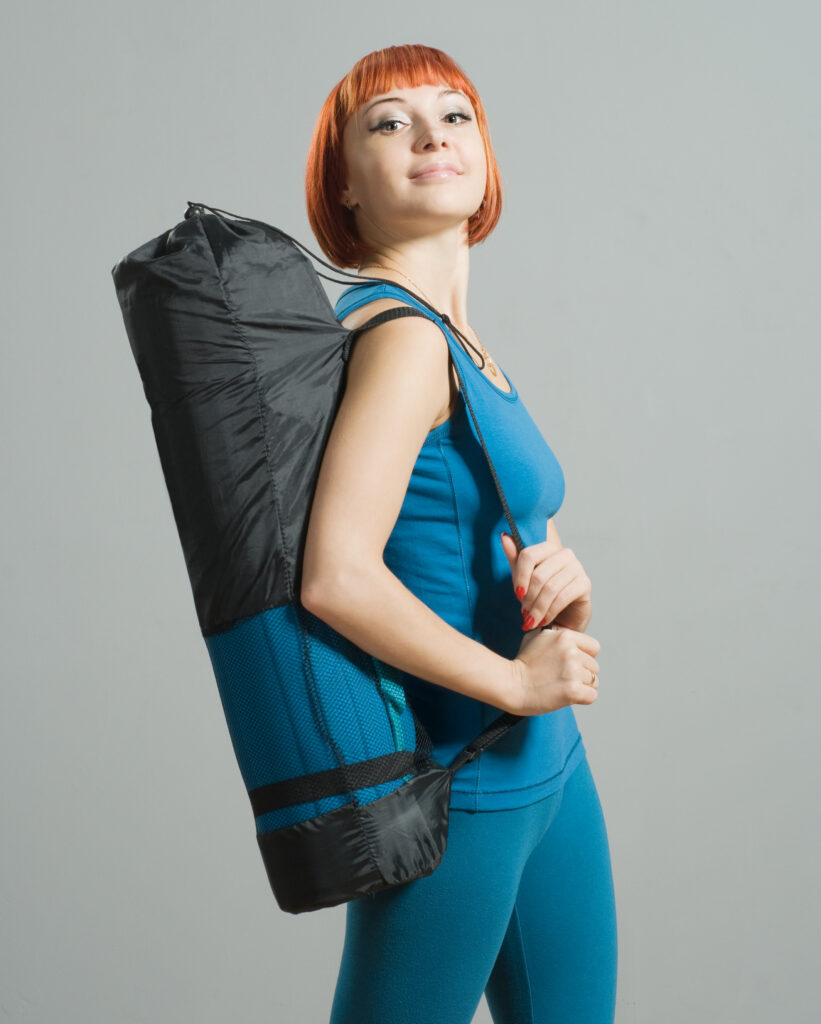
a. Manual Compression Bags (roll-up bags ) :
- They don’t require a vacuum
- After placing your items inside, you roll the bag tightly from one end to the other to push the air out.
- They are lightweight, portable, and travel-friendly.
b. Vacuum compression bags :
- These have a valve that allows you to suck the air out using a vacuum cleaner or a built-in pump
- Provides maximum space-saving, especially useful for heavy winter clothes, blankets, or jackets.
c. Reusable compression bag :
- Designed for repeated use without compromising compression efficiency.
- Durable and resistant to tearing
Compression Bags vs Packing Cubes: How Does a Compression Bag Work?
Compression bags reduce air pockets around clothes or soft items. By removing air:
- Bulky items shrink in volume, allowing you to fit more in your suitcase.
- Clothes are protected from moisture, dust, and odors.
- Space is optimized for long trips or trips where luggage weight and size are limited.
Benefits of Using Compression Bags:
- Space-Saving: Ideal for packing bulky clothes like jackets, sweaters, or bedding.
- Organized Packing: Keeps your clothes in compact bundles rather than scattered.
- Protection: Shields clothes from water, dirt, dust, and sometimes even odors.
- Travel-Friendly: Makes luggage lighter and more manageable, especially for air travel with strict baggage limits.
- Storage Beyond Travel: Great for storing seasonal clothes at home when not in use
Drawbacks of Compression Bags:
- Wrinkling: Tight compression can crease or wrinkle delicate fabrics.
- Accessibility: Once compressed, items are harder to access quickly.
- Durability Issues: Cheap bags may tear or leak air over time.
- Not Always Suitable for Lightweight Travel: For summer clothes or lightweight packing, they may not offer significant benefits
What are packing cubes?
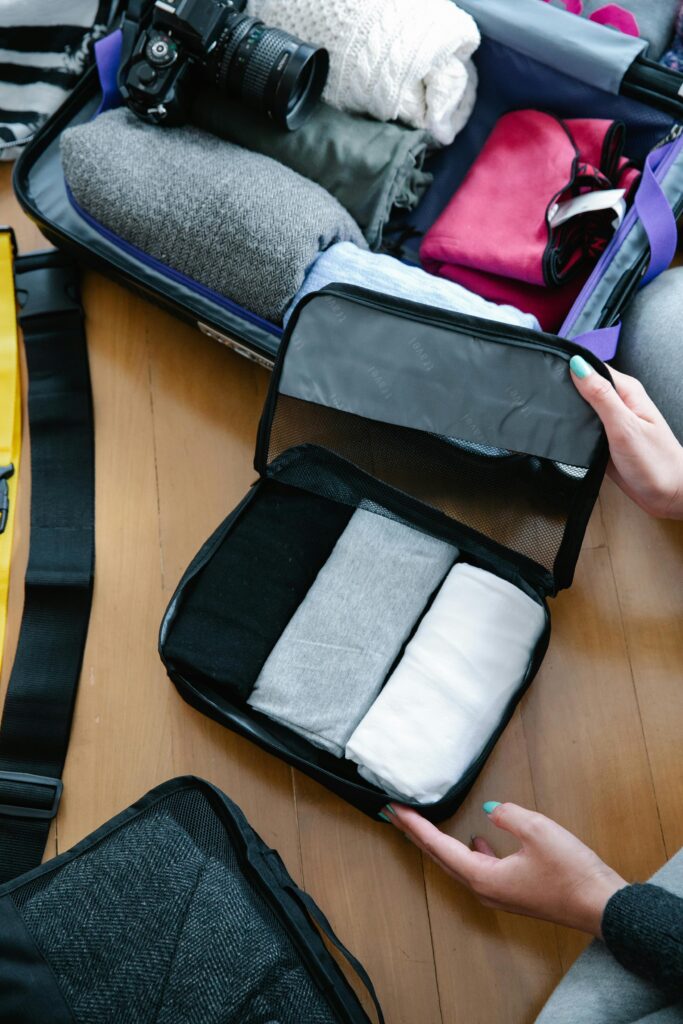
Packing cubes are small, zippered fabric containers designed to help travelers organize their belongings inside a suitcase or backpack. They don’t compress clothes as much as compression bags, but they bring order and convenience by grouping items into neat sections. Think of them as “drawers” inside your luggage, making it easy to separate and access different categories of clothing or gear.
Packing cubes usually come in sets of various sizes—small, medium, and large—so you can pack everything from socks and underwear to jeans, jackets, and accessories in an organized way.
Features of Packing :
Shape & Design:
- Usually rectangular or square.
- Made of lightweight fabric like nylon or polyester.
- Many have mesh tops for visibility and ventilation.
Sizes:
- Small cubes – great for underwear, socks, or electronics.
- Medium cubes – ideal for shirts, tops, or casual wear.
- Large cubes – used for pants, jackets, or bulkier items
Zippers:
- Strong zippers allow easy opening and closing.
- Some cubes have double zippers for convenience.
Extras:
- Some sets include a laundry bag for dirty clothes.
- Compression packing cubes are also available (a hybrid that slightly reduces volume while still keeping things organized).
How Packing Cubes Work :
- Instead of stuffing all your clothes into one big space, you separate items by category (e.g., shirts in one cube, pants in another, toiletries in a smaller one).
- When you need something, you just pull out that cube instead of digging through your entire suitcase.
- They act like built-in organizers, especially in large suitcases or backpacks.
Benefits of Using Packing Cubes:
- Organization: Keeps clothes neat and separated—no more messy suitcases.
- Easy Access: Quickly find what you need without unpacking everything.
- Versatility: Can be used not only for clothes but also for electronics, toiletries, shoes, or travel documents.
- Reduced Wrinkles: Keeps clothes folded and prevents them from shifting around
- Stress-Free Packing: Helps maximize space by arranging items tightly
Drawbacks of Packing Cubes :
- No Major Space-Saving: They organize but don’t significantly reduce volume.
- Extra Weight: Adds a small amount of weight compared to compression bags.
- Not Ideal for Bulky Items: Jackets or blankets might not fit in cubes.
Which One Should You Choose?
Choose Compression Bags if you’re traveling to colder destinations and need to pack bulky items like coats, sweaters, or blankets. They’re also great for long-term storage.
Choose Packing Cubes if you prefer organization and quick access to your belongings. They’re perfect for frequent flyers, business travelers, and people visiting multiple destinations.
.